
Enquire About Woodworking Machinery
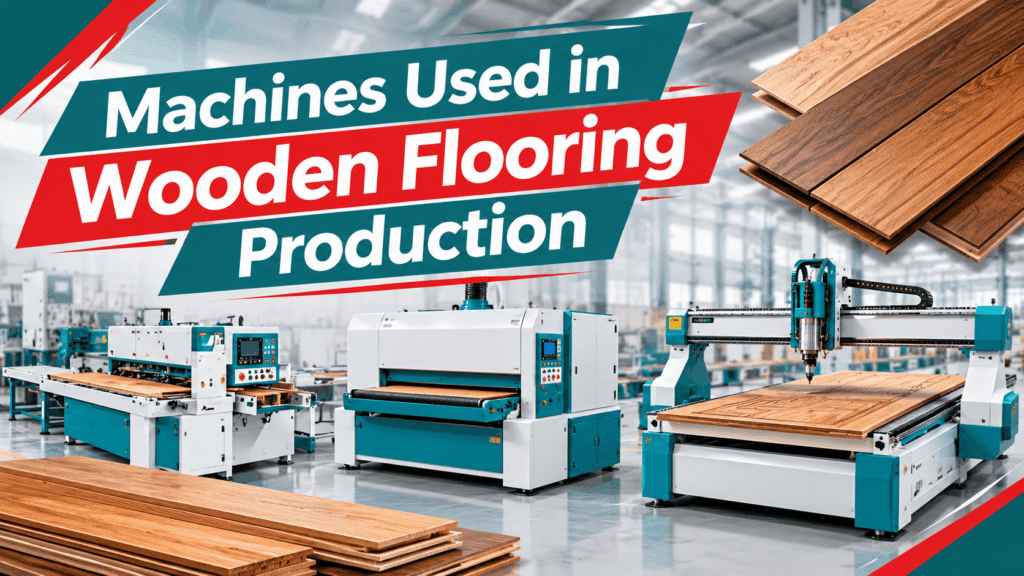
Machines Used in Wooden Flooring Production
Wooden flooring production involves several stages, from processing raw timber to cutting, shaping, finishing and preparing floorboards for installation. Different machines are used at each stage to achieve accurate dimensions, smooth surfaces and consistent product quality. Understanding the machines used in wooden flooring production helps manufacturers select suitable equipment, improve production efficiency and reduce material wastage. Modern woodworking machinery has made flooring manufacturing faster and more precise. Depending on the type of flooring being produced, manufacturers may use panel saws, CNC routers, planing machines, sanding machines, edge profiling equipment and specialised finishing systems.
What is the production of wooden flooring?
Manufacturing of wooden floors is the transformation of wood or other wood materials into ready-to-install floor boards or panels.
Each one of these types goes through a unique process to achieve its intended final product. Solid wood flooring involves the use of natural wood, while the engineered wood floor consists of an upper layer of real wood and many layers below that. The laminate flooring involves the use of a wood core with a printed surface and wear layer.
The equipment used varies depending on the material, board design, capacity of the plant, and surface finish desired.
1. Wood Cutting Machines
Wood cutting is one of the earliest steps of flooring manufacturing.
Timber and wood sheets need to be cut in proper dimensions before moving on with other processes. Before moving on to the next process, wood cutting machines help the manufacturer achieve the proper dimensions.
Some of the common machines include the following:
– Sliding Table Panel Saw: Used in cutting wood panels and wood sheets in a straight line.
– Circular Saw: Used in cutting timber into desired dimensions.
– Band Saw: Helps in cutting large dimensions of timber with a curved line.
Enquire About Woodworking Machinery
2. Wood Planing Machines
The planing machine is used for achieving the even surface and constant thickness of wooden surfaces. In the process of cutting wood, it is possible that the surface becomes uneven.
The thickness planer is designed for removing the excess and creating a specific thickness of the board. The surface planers are used for the creation of flat surfaces for further work.
These machines are especially important in the production of solid wood floorboards.
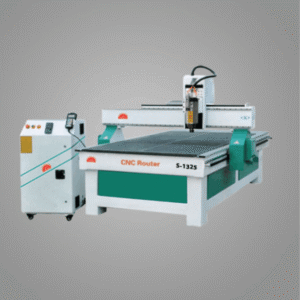
3. CNC Router Machines
These types of machines make use of computer-controlled cutting tools to carry out precise machining operations. They can be used for specific flooring components, patterns, decoration designs, and selected profiling tasks.
In wooden floor production, CNC routers can assist in:
- Custom decoration designs
- Special board shapes
- Groove and machining precision
- Component duplication
- Special designs for customised flooring projects
The above-mentioned uses will depend on the type of CNC machine, the cutting tool used and the material to be machined. Floor groove and tongue production does not use a CNC router but special equipment.
-
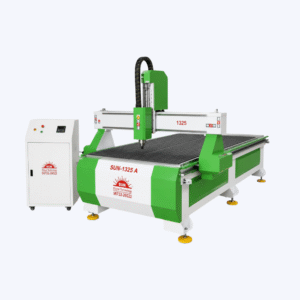
CNC Router Machine
CNC Cutting Machine Model: S-1325-A+ (Plus)
Rated 5.00 out of 5₹699,000.00Original price was: ₹699,000.00.₹629,100.00Current price is: ₹629,100.00. Add to cart -
CNC Router Machine
CNC Heavy Duty Wood Router S-1325 ES
Rated 5.00 out of 5₹500,000.00Original price was: ₹500,000.00.₹425,000.00Current price is: ₹425,000.00. Add to cart -
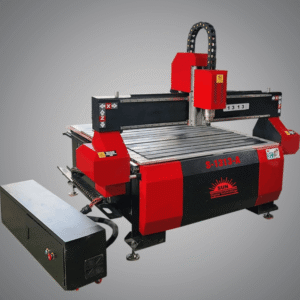
CNC Router Machine
CNC Router Machine Model S-1313-A
₹350,000.00Original price was: ₹350,000.00.₹290,000.00Current price is: ₹290,000.00. Add to cart -
CNC Router Machine
CNC Router Machine Model S-1325
₹400,000.00Original price was: ₹400,000.00.₹359,000.00Current price is: ₹359,000.00. Add to cart

4. Flooring Profile and Moulding Machines
The boards used for flooring need to have certain edge profiles so that each piece fits appropriately. The profile and moulding machines make the edge profiles on the wood boards according to the requirement.
Some of the profiles made by the machines are:
- Tongue and groove joint profiles
- Bevelled edge profiles
- Decorative edge profiles
- Special profiles for boards
5. Wood Sanding Machines
Wood sanding is a critical step in the floorboard preparation process. The sanding machine gets rid of any imperfections and rough spots on the wood.
Depending on the production configuration, manufacturers use wide-belt sanders, belt sanders, or other surface sanding machines.
The key objectives of sanding are as follows:
- To provide a flat surface
- To keep boards of uniform thickness
- To prepare wood for coating
- To enhance the aesthetic look of the final product
Proper control of the sanding operation is essential, as it prevents excessive wood removal from the board.
6. Wood Coating and Finishing Machines
After sanding, most types of wooden floors will have a protective or decorative finish applied to them. Finishing machinery includes application of coatings like stains, oil finishes or sealers.
Finishing can include:
- Roller coaters
- Spraying equipment
- Ultraviolet curing equipment
- Drying systems
These systems will serve to enhance surface appearance and provide protection for the flooring from daily use. The right finish is determined by species, product and manufacture.
7. Wood Pressing Machines
Pressing machinery is employed in some processes of engineered flooring and laminate flooring production. The machine serves to bind various layers of materials together under certain pressures and, if necessary, temperatures.
So, for instance, in the case of engineered flooring, there may be a need to bind the real wood veneer or wear layer to the core. In the case of laminate flooring production, another technology is applied.
The wood processing press needs to be chosen based on the type of layers, glue, pressure and production technology. The regular cold press for plywood is not always applicable in this case.
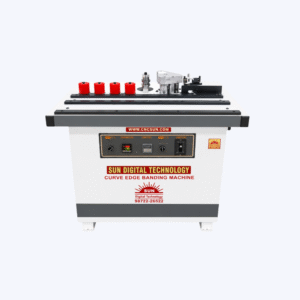
8. Edge Banding and Panel Processing Equipment
Some wood floor panels and interior accessories need edge processing. Machines used for edge banding apply edge material to the exposed edges of the panels.
It is worth noting that the use of traditional edge banding on furniture panels is more common than using it on wood flooring panels. Floor manufacturers must use edge processing machinery depending on their product design requirements.
-
Manual Edge Banding Machine
Manual Edge Banding Machine
₹150,000.00Original price was: ₹150,000.00.₹99,000.00Current price is: ₹99,000.00. Add to cart
How to Choose the Right Machines for Wooden Flooring Production
Machinery selection is not limited to the comparison of machines’ costs. The manufacturers should know what kind of floor they are producing and how.
When selecting machinery, take into account the following considerations:
- Type of Material: Different approaches are used for solid wood, engineered wood, and laminate flooring.
- Capacity: Machines should be selected according to the amount of board panels to be processed.
- Accuracy: Machines will determine cutting, thickness and profile of joints in the end.
- Surface: The quality of sanding and painting should also be considered.
- Degree of Automation: Various machines may have different levels of automation.
- Serviceability of Machine: Check the availability, servicing and operator training.
Benefits of Using Modern Woodworking Machinery
Modern machines can be used to enhance the manufacturing process in the following aspects.
Higher Accuracy: Controlled cutting and machining will help maintain uniformity of board sizes.
Increased Efficiency: Automation will help in reducing manual work.
Uniform Surface Texture: Machines that will allow for planing and sanding will provide better surface texture.
Minimised Material Losses: Precise cutting and processing can enhance material usage.
Repeatable Production: CNC-controlled machines will help in repeating specific designs and sizes.
Proper Planning: Proper machines can help with the proper planning of the production process.
All will be determined by machine performance, operator proficiency, maintenance and production as a whole.
Conclusion
The machines used in wooden flooring production depend on the type of flooring, material and manufacturing process. Cutting machines, planers, CNC routers, profile machines, sanders, presses and finishing systems can all play a role in suitable production setups.
Manufacturers should identify their product requirements before selecting machinery. Choosing equipment based on material compatibility, production capacity and required accuracy can help create a more reliable and efficient manufacturing process.
Sun Digital Technology provides woodworking machinery solutions for different wood-processing and furniture manufacturing requirements. Explore its range of CNC router machines, sliding table panel saws, pressing machines and other woodworking equipment to understand which solutions may suit your production needs.
Frequently Asked Questions
Manufacturers should consider product type, material compatibility, daily production volume, machine capacity, workshop space, budget and after-sales support.